


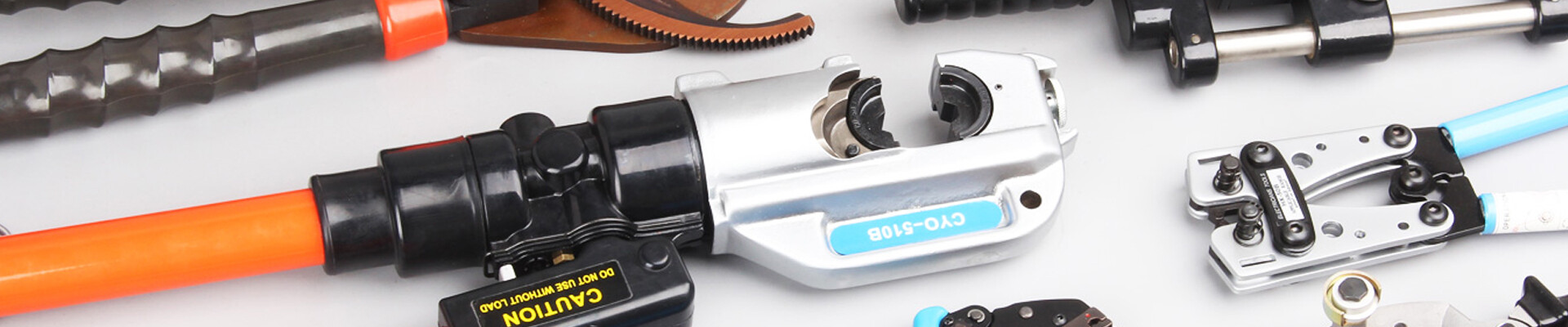
In industries such as electronics, electrical, telecommunications, and automotive, crimping tools are common and indispensable for connecting wires, cables, and conductors. Correctly using crimping tools not only ensures the safety and reliability of connections but also enhances work efficiency. This article will outline how to use crimping tools correctly and some key considerations.
1. Selecting the Right Crimping Tool
When choosing a crimping tool, ensure it is suitable for the wires and terminals you need to connect. Different types of crimping tools are designed for various specifications and materials of wires and terminals. Ensure the selected tool's quality and performance meet the job requirements and regularly maintain and inspect it to ensure it's in good working condition.
2. Preparation
Before using crimping tools, prepare the work area by clearing any debris and ensuring there are no obstructions. Also, ensure the tools and connection components are clean. Additionally, check the crimping tool's operational status and safety to ensure all parts are intact.
3. Performing the Crimping Operation
When performing crimping operations, follow these steps:
Proper Positioning: Place the wire or terminal to be connected correctly in the crimping tool's crimping position, ensuring the connection components are accurately positioned.
Applying Adequate Pressure: Apply the appropriate force for crimping, avoiding excessive pressure to prevent damaging wires or terminals.
Ensuring Stability: During crimping operations, ensure both the tool and connection components remain stable to prevent movement or mistakes.
Inspecting the Connection: After crimping, inspect the connection to ensure it's secure, without any loosening or deformation. If necessary, perform a pull test or use specialized tools to check the connection's strength.
4. Safety Precautions
When using crimping tools, adhere to the following safety precautions:
Wear Personal Protective Equipment: Including gloves and safety glasses to prevent injury or eye damage.
Avoid Overexertion: Do not apply excessive force to prevent damaging the tool or wires.
Be Mindful of the Working Environment: Ensure the work area is well-ventilated and free from sources of ignition and flammable materials.
Follow the Operating Manual: When using crimping tools, follow the instructions and recommendations in the operating manual to ensure safe and correct operation.
Correctly using crimping tools is crucial for ensuring the safety and reliability of electrical connections. By selecting the right tool, performing proper preparation, and observing safety precautions, crimping operations can proceed smoothly, yielding high-quality connection results.
Awesome! Share to:
Related Posts
- Back from Energy & Electrical Indonesia Exhibition! Thank you for connecting with us!
- Cutting ACSR & Steel Wire Rope: Why Blade Geometry and Metallurgy Matter More Than Force
- ? Tech Guide: How to Choose the Right Hydraulic Cable Cutter for Utility & Industrial Projects
- Electric & Power Indonesia
- Solar crimping tools with Max 10mm2 for MC4

First class quality service and professional after-sales team.
Get in Touch
*We respect your confidentiality and all information are protected.
By clicking 'Allow All', you agree to the storage of cookies on your device to enhance site navigation, analyze site usage and assist with our marketing efforts.