


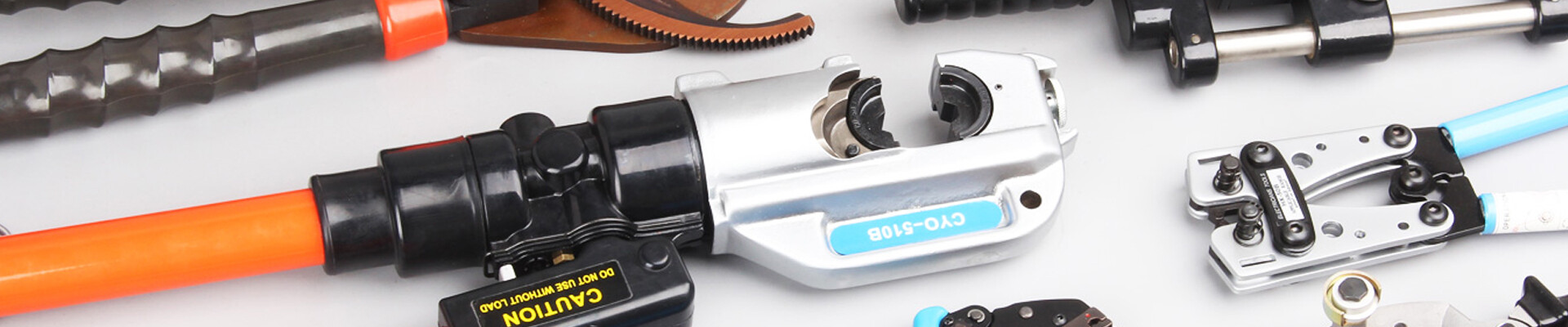
Cutting large-diameter power cables is one of the most demanding tasks in electrical installation, utility maintenance, and power distribution. Using the wrong or low-quality tool not only slows down operations but can also deform cable conductors, create uneven cuts, and pose serious safety hazards to operators.
As a manufacturer specializing in professional hydraulic and mechanical power tools, we often get asked: What should you look for when selecting a cable cutter for big cables?
Here are the top key factors to consider before purchasing:
1. Match the Cutting Capacity & Cable Type
Not all heavy-duty cutters are created equal. Before choosing a tool, clearly define the exact type and outer diameter of the cable you work with:
- Copper & Aluminum (Cu/Al) Cables: Require sharp, precision-ground blades that shear smoothly without crushing the stranding.
- ACSR (Aluminum Conductor Steel-Reinforced) & Wire Ropes: Require hardened, reinforced cutting edges specifically rated for high-tensile steel cores. Using a standard Cu/Al cutter on ACSR will ruin the blades instantly.
- Armored Cables (SWA): Demand heavy-duty hydraulic or ratchet mechanisms capable of penetrating tough outer protective layers.
2. Choose the Right Operating Mechanism
Depending on the working environment and cable thickness, select the mechanism that optimizes efficiency and operator safety:
- Ratchet Cable Cutters: Best for tight space operations and moderate-to-large non-steel cables. They allow one-handed or low-effort operation using step-by-step mechanical advantage.
- Manual Hydraulic Cable Cutters: Ideal for field work without power access. Hydraulic pressure generates high tonnage with minimal physical effort, effortlessly cutting large-diameter armored or ACSR lines.
- Battery-Powered Hydraulic Cutters: The gold standard for modern utility and industrial projects. They offer rapid, one-touch cutting, dramatically reducing operator fatigue and job-site labor time.
3. Evaluate Blade Metallurgy & Heat Treatment
The heart of any cable cutter is its blades. High-quality cutters feature blades forged from premium alloy tool steel (such as high-grade chromium-molybdenum or tungsten alloys) combined with precise heat treatment. Look for:
- Clean, clean-shear cutting profiles that maintain the round shape of the cable (essential for seamless lug crimping later).
- High resistance to chipping and wear under continuous heavy loads.
4. Build Quality, Ergonomics & Safety Features
Professional-grade tools are an investment in job site efficiency and safety. Key indicators of quality include:
- Pressure Relief Valves (for hydraulic models): Automatically release pressure upon completion to prevent over-pressurization and extend tool lifespan.
- 360° Swivel Heads: Allow easy positioning in cramped trenches, switchgears, or cable trays.
- Ergonomic, Insulated Handles: Offer secure grip and reduce operator fatigue during repetitive cuts.
Key Takeaway for Contractors & Buyers
A lower upfront tool cost quickly dissipates if blades dull frequently or tools break down in the field. Partnering with an experienced manufacturer ensures you receive certified, factory-tested tools with reliable long-term performance and readily available replacement parts.
🔧 Looking for reliable cable cutting and crimping solutions for your next utility project?
At Haicable, we manufacture a complete line of professional manual, hydraulic, and battery-powered cable cutters designed for extreme industrial applications.
🌐 Visit our official site to explore our product specs: www.haicable.com
📩 Feel free to leave a comment or send us a message to discuss your customized tool needs!
#PowerTools #ElectricalEngineering #CableCutter #HydraulicTools #PowerDistribution #Haicable #UtilityMaintenance #LinemanTools
Awesome! Share to:
Related Posts
- How to Choose a High-Quality Heavy-Duty Cable Cutter for Large Diameter Cables
- Happy Mid-Autumn Festival
- Back from Energy & Electrical Indonesia Exhibition! Thank you for connecting with us!
- Cutting ACSR & Steel Wire Rope: Why Blade Geometry and Metallurgy Matter More Than Force
- ? Tech Guide: How to Choose the Right Hydraulic Cable Cutter for Utility & Industrial Projects

First class quality service and professional after-sales team.
Get in Touch
*We respect your confidentiality and all information are protected.
By clicking 'Allow All', you agree to the storage of cookies on your device to enhance site navigation, analyze site usage and assist with our marketing efforts.