


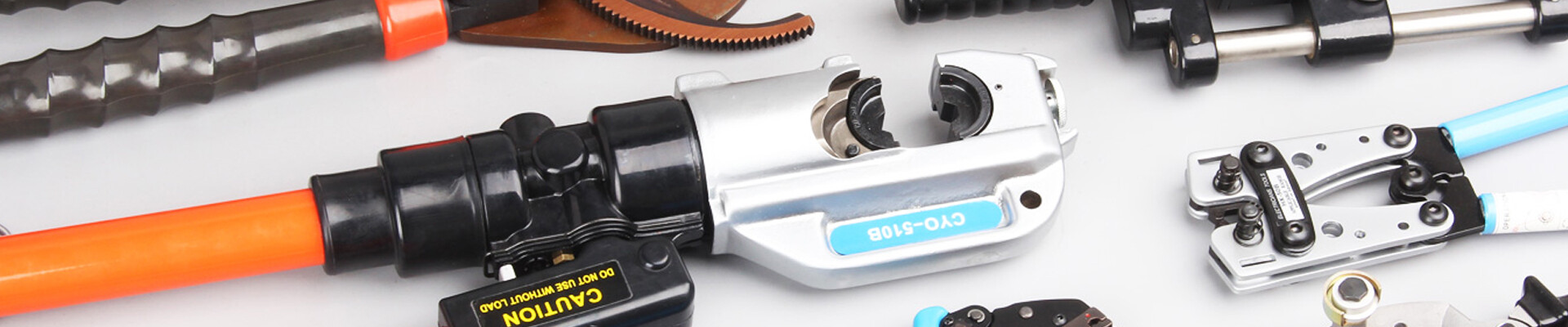

To maintain an optimal crimping environment, it's crucial to adhere to several key practices. First and foremost, ensure the workspace is clean and organized, free from debris and clutter. This reduces the risk of contamination and interference during the crimping process. Additionally, regulate the temperature and humidity levels to prevent any adverse effects on the materials being crimped, as fluctuations can compromise the integrity of the connection. Regular calibration and maintenance of crimping tools are essential to guarantee accurate and consistent results. Furthermore, providing adequate ventilation helps dissipate any fumes or vapors produced during crimping, ensuring a safe and comfortable working environment for operators. Lastly, emphasize proper training and adherence to safety protocols to minimize the risk of accidents and ensure the longevity of both equipment and personnel.
Awesome! Share to:
Related Posts
- Back from Energy & Electrical Indonesia Exhibition! Thank you for connecting with us!
- Cutting ACSR & Steel Wire Rope: Why Blade Geometry and Metallurgy Matter More Than Force
- ? Tech Guide: How to Choose the Right Hydraulic Cable Cutter for Utility & Industrial Projects
- Electric & Power Indonesia
- Solar crimping tools with Max 10mm2 for MC4

First class quality service and professional after-sales team.
Get in Touch
*We respect your confidentiality and all information are protected.
By clicking 'Allow All', you agree to the storage of cookies on your device to enhance site navigation, analyze site usage and assist with our marketing efforts.