


Wind turbines require highly specialized, high-pressure hydraulic equipment to handle extreme loads during installation, tower segment assembly, and routine maintenance of the nacelle, rotor blades, and foundation.
The essential hydraulic tools required for wind energy applications are categorized below by their primary mechanical functions.
1. High-Precision Bolting & Tensioning Systems
Large-diameter structural bolts secure critical connections on wind turbines, requiring exact preload force to prevent fatigue failure under dynamic wind loads.
- Hydraulic Bolt Tensioners: Essential for securing foundation bolts, tower base flanges, and yaw bearing joints. These tools use high-pressure hydraulics to pull the bolt axially (stretching it) so the nut can be tightened by hand without applying frictional torque to the threads. Multi-stage tensioners are standard for tight spatial constraints inside the tower.
- Square-Drive & Low-Profile Hydraulic Torque Wrenches: Used where structural clearances are too tight for standard tensioners, such as gearbox mounts, main shafts, and blade-to-hub connections. Low-profile hex cassettes fit directly over the nut in narrow spaces, operating at standard working pressures up to 700 bar (10,000 PSI).
2. Assembly & Maintenance Alignment Tools
During installation and crane lifts, aligning multi-ton tower segments or heavy blade assemblies requires controlled hydraulic force.
- Flange Alignment Tools: Mechanical-hydraulic tools used to correct rotational misalignments or lateral offsets in tower sections during assembly before bolting can begin.
- Hydraulic Flange Spreaders: Employed during maintenance to separate joints safely for gasket replacement or inspection without causing mechanical damage to the flange faces.
- High-Tonnage Hydraulic Cylinders (Jacks): Low-height (pancake) cylinders and double-acting stage lift jacks are placed under the tower base or internal components for leveling, alignment correction, and structural load-bearing support.
3. Ultra-High Pressure Actuation & Power Units
To drive tensioning and torque tools up the tower, lightweight yet robust power sources are necessary.
- Ultra-High Pressure Hydraulic Pumps: Electric or pneumatic pumps capable of generating up to 1,500 bar (21,750 PSI) specifically for hydraulic tensioners. For wind maintenance, these units must feature compact footprints, integrated cooling systems, and lightweight aluminum reservoirs for easier transport up the nacelle service lift.
- Dual-Port Torque Wrench Pumps: Dedicated 700 bar pumps configured with multi-port manifolds to run multiple hydraulic torque wrenches simultaneously, ensuring even pressure distribution across a bolted flange pattern.
4. Electrical & Cable Infrastructure Tools
The power generated at the nacelle must travel down the tower through heavy-duty industrial cabling to the grid link.
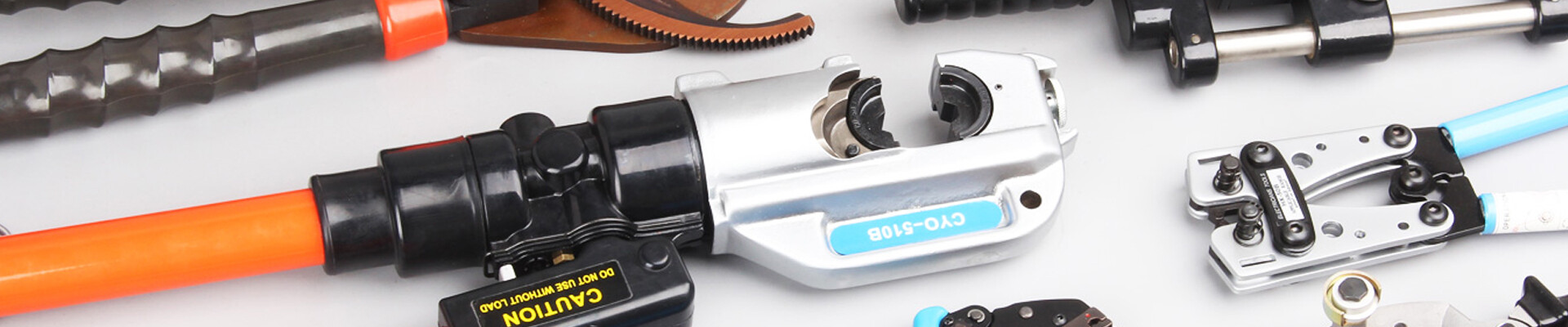
- Heavy-Duty Hydraulic Cable Cutters: Handheld or remote head hydraulic cutters capable of slicing through thick copper or aluminum conductor cables up to 100 mm or more in diameter. Such like J100 Cu/Al Armored Cable Cutter – Max Φ100mm
- High-Tonnage Hydraulic Crimping Tools: Cordless battery-hydraulic or split-head remote crimpers (often ranging from 12 to 60 tons of crimping force) used with heavy hex dies to terminate the high-voltage cable lugs running down the tower shell to the internal transformer. such like:25T Hexagon Battery Hydraulic Tool HCT-630 for Wind Turbine
Awesome! Share to:
Related Posts
- Back from Energy & Electrical Indonesia Exhibition! Thank you for connecting with us!
- Cutting ACSR & Steel Wire Rope: Why Blade Geometry and Metallurgy Matter More Than Force
- ? Tech Guide: How to Choose the Right Hydraulic Cable Cutter for Utility & Industrial Projects
- Electric & Power Indonesia
- Solar crimping tools with Max 10mm2 for MC4

First class quality service and professional after-sales team.
Get in Touch
*We respect your confidentiality and all information are protected.
By clicking 'Allow All', you agree to the storage of cookies on your device to enhance site navigation, analyze site usage and assist with our marketing efforts.